

If you are handling an estate in Virginia or DC that contains firearms, alcohol, prescription medication, or ivory, you cannot sell those items the way you sell furniture. Each one has to be routed to a licensed party first, and the firearm rules in Virginia and DC are not interchangeable.
Virginia routes a private firearm transfer through a licensed dealer for a background check. DC requires registration with the Metropolitan Police Department and formal MPD approval before any transfer takes place. Knowing which items need that routing keeps you from making an honest mistake with real legal consequences.
Can You Sell Firearms From an Estate in Virginia?
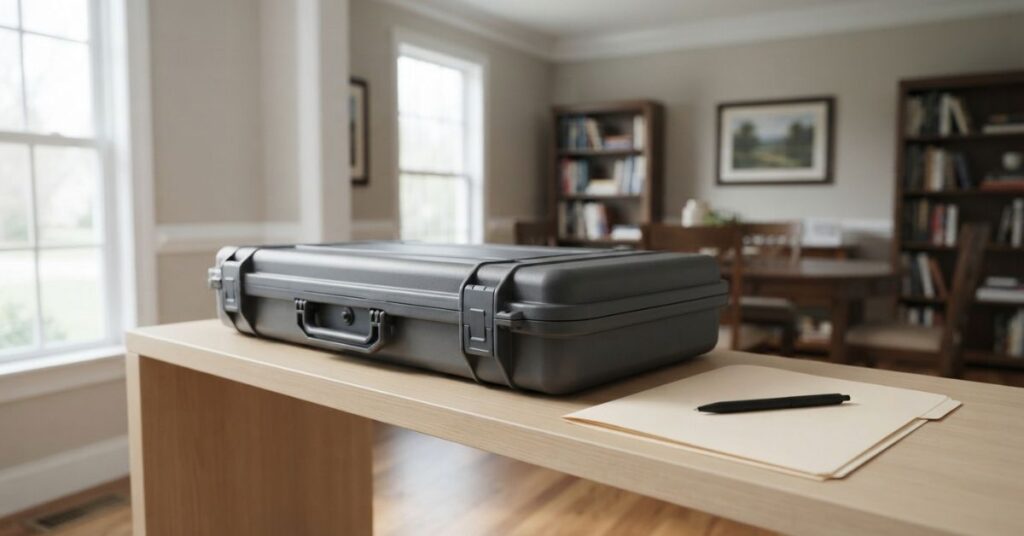
Yes, firearms from an estate can be sold in Virginia, but a private transfer between individuals is processed through a Virginia State Police background check performed by a licensed Federal Firearms Licensee (FFL). Virginia does not maintain a firearm registry, and the Commonwealth places no general prohibition on a private individual inheriting or transferring a firearm. The Virginia Firearms Transaction Program was built to support that background check requirement, and both parties typically need valid government-issued identification before the dealer facilitates the check.
How Does an Estate Liquidator Handle Firearms in Virginia?
Firearms are identified and documented during the assessment and separated before staging begins, never placed on a table alongside furniture and glassware. In the homes we assess in Alexandria, Arlington, Fairfax, Great Falls, Leesburg or Manassas, documentation is followed by coordination with a licensed FFL dealer who can legally process a transfer once a criminal history check clears, consistent with Virginia Code § 18.2-308.2:2.
Do You Have to Register a Firearm Found in a DC Estate?
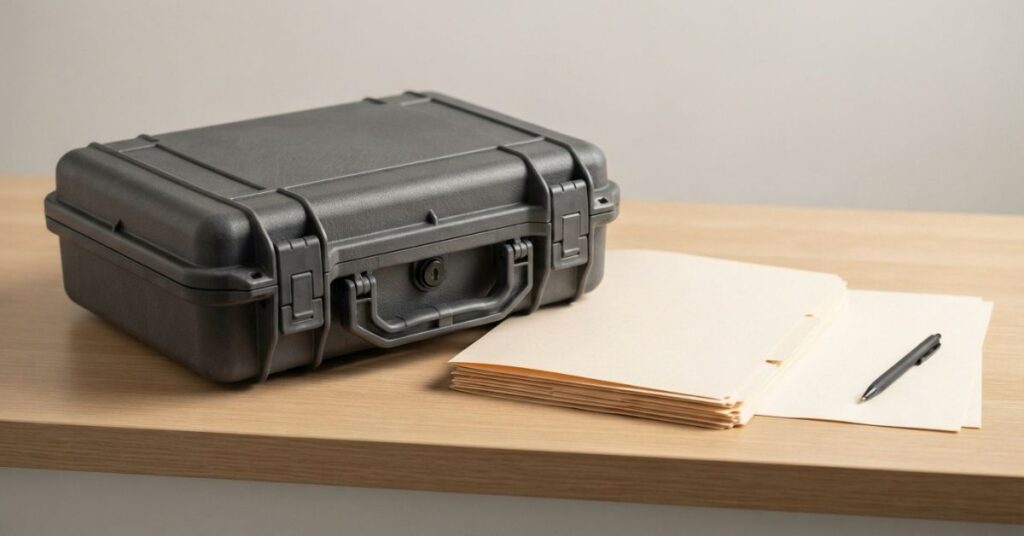
Yes. Under DC law, firearms must be individually registered with the Metropolitan Police Department’s Firearms Registration Branch (FRB), and an executor or administrator handling an estate containing a firearm must notify MPD within 30 days of appointment. No transfer between a seller and a buyer may proceed until MPD has issued a formal reply approving that specific transfer. Washington, DC operates under a significantly more restrictive structure than Virginia.
What Are the Lawful Outcomes for a Firearm in a DC Estate Sale?
A firearm found in a DC estate is typically routed toward one of four lawful outcomes: registration and retention by an eligible family member, transfer through the MPD-approved process to a licensed dealer, removal from the District entirely, or voluntary surrender to the FRB. We do not assume DC rules mirror Virginia’s, because the two systems are built on different premises.
Can Ammunition Be Sold in an Estate Sale?
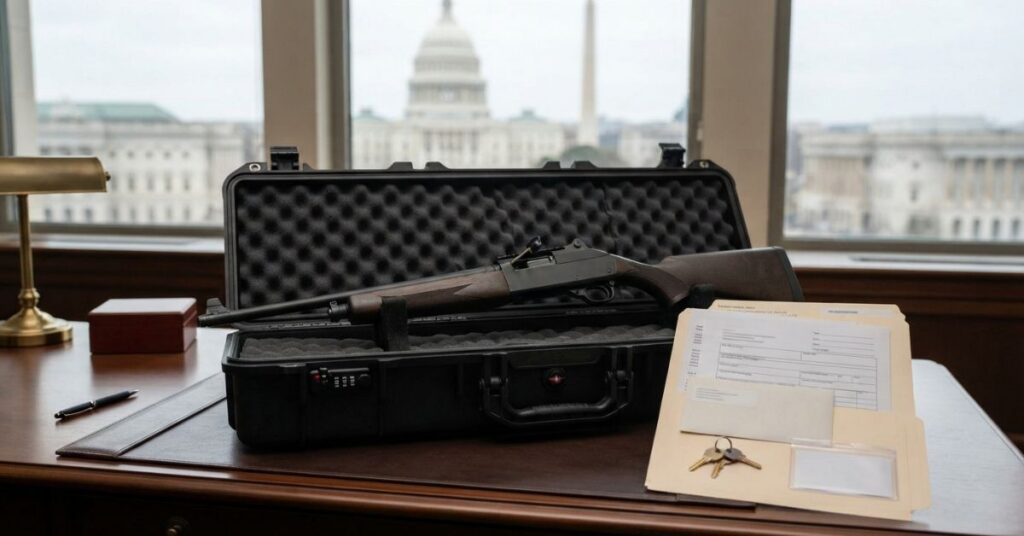
Ammunition is generally handled through the same licensed dealer channel used for the firearm rather than sold independently, because it is typically subject to its own transport and sale restrictions. Accessories that are not themselves regulated, such as cases or cleaning kits, can usually move through the standard sale process once the firearm has been separated out.
Can You Sell Alcohol From an Estate in Virginia?
Not without a permit. General resale of alcoholic beverages in Virginia requires licensing through the Virginia Alcoholic Beverage Control Authority, though Virginia ABC does offer a one-time sale permit intended for an auction, foreclosure or estate sale. A wine cellar or a collection of spirits accumulated over decades is a common find during an assessment, and a compliant estate sale does not simply price a bottle and place it on a shelf.
Can You Sell Alcohol From an Estate in Washington, DC?
Generally not without a license. In Washington, DC, alcohol sales are governed by the Alcoholic Beverage Control Administration (ABCA) under DC Official Code Title 25, and resale generally requires an appropriate license issued by the ABC Board. Once a collection is identified, the next step is determining whether a permit path applies or whether the bottles need to move through a licensed retailer or specialty auction house.
What Happens to Prescription Medication Found in an Estate?
Prescription medication is never sold or given away, regardless of jurisdiction. The appropriate path is disposal through a DEA-authorized collector, a pharmacy take-back program, or the twice-yearly National Prescription Drug Take Back Day coordinated by the Drug Enforcement Administration.

Can Ivory and Protected Wildlife Materials Be Sold in an Estate Sale?
Usually not. Federal law under the Endangered Species Act and the African Elephant Conservation Act imposes a near-total ban on commercial sale of African elephant ivory across state lines, with a narrow antique exemption reserved for items verifiably at least 100 years old that have not been repaired or modified with additional protected-species material since 1973.
Ivory from walrus, mammoth or Asian elephant is not covered by the same exemption and carries additional CITES documentation requirements.
Because the burden of proof sits with the seller, an item containing ivory is routed to an appraiser or specialist for evaluation before any decision about sale is made.
Other protected wildlife materials, including certain furs, feathers, coral and tortoiseshell, are handled the same cautious way.
What Happens if Human Remains or Anatomical Specimens Are Found in an Estate?
Material of this nature is never placed into a general sale; it is set aside during assessment and handled through the appropriate specialized channel, depending on documentation, provenance and legal status.
Human remains and anatomical specimens surface most often in the collections of people who worked in medicine, forensic science or education.
iStuffSellers managed an estate in Kensington, Maryland belonging to a Smithsonian forensic anthropologist whose collection included authenticated human skulls and skeletons acquired over a long professional career.
How Are Hazardous Chemicals Handled in an Estate Cleanout?
Hazardous chemicals are removed through a licensed hazardous waste disposal service rather than included in staging or sale. Old paint, solvents, pool chemicals and propane are identified during the same early sorting phase that separates firearms and medication from the general contents.
What an Estate Liquidator Will Not Sell
A licensed, full-service liquidator does not sell an item simply because a buyer might want it. The process is built around verifying what is legally sellable, routing what is not to the correct licensed party, and documenting each step along the way.
That typically means a licensed FFL dealer for firearms and ammunition, the appropriate ABC authority or licensed retailer for alcohol, a DEA-authorized collector for medication, and a qualified appraiser or specialist for ivory or unusual specimens.
Working with iStuffSellers, licensed, bonded and insured across Maryland, Virginia and DC, you can expect this routing to happen as a standard part of every assessment.
Frequently Asked Questions
Generally, no. Current Virginia law requires most private-party firearm transfers to be processed through a licensed FFL dealer so the buyer can complete a Virginia State Police background check.
No. DC requires the firearm to be registered with the Metropolitan Police Department, and no transfer can proceed until MPD approves it, a slower and more restrictive process than Virginia’s dealer-based background check.
It should be disposed of, never sold or distributed, through a DEA-authorized collector, a participating pharmacy take-back program, or a National Prescription Drug Take Back Day event.
Not automatically. Federal law allows a narrow antique exemption for ivory verifiably at least 100 years old that meets specific documentation requirements, but the burden of proof sits with the seller.
They are set aside during the initial assessment and never placed into a general sale. Handling depends on documentation and provenance and is coordinated through specialized channels.
Schedule Your Estate Sale in Virginia or DC Now
A household that contains firearms, alcohol, medication or unusual specimens calls for a team that already knows which rules apply and which licensed parties need to be involved.
iStuffSellers has managed estates across the DC metro area since 2011, and every assessment includes identifying these categories early so they are routed correctly rather than discovered midway through a sale.
For related reading, see how probate authority governs a Virginia estate sale, browse estate sale services across Virginia, or learn more about the estate sale company serving Rockville, Maryland.
If the household contains firearms, alcohol collections, or other regulated items, reach out before sorting begins rather than after. Call iStuffSellers, a licensed and insured estate liquidator working across Virginia, Maryland, and DC, at 301-401-6688 for a free consultation about the specific contents of the estate and how the assessment will be structured.