

Most of a loved one’s clothing gets donated, a few pieces are kept, and a small handful of designer bags, good coats, and furs might be worth selling. You don’t have to decide all of it at once, and unless the house has a deadline, there’s no rush.
The closet is often the hardest part of the house because it still feels so personal. Our guide to what to do with inherited items covers the bigger sell, consign, donate, and clear-out plan, and this one zooms in on the clothes.
When Should You Clear Out a Loved One's Clothes?
When you’re ready, unless a closing date, a lease, or a move-out window makes the call for you. Some families start within a few weeks, and some wait months.
Facing a deadline? Box it all up, label the boxes, and sort later somewhere calmer, so the house stays on schedule without rushing the hard part.
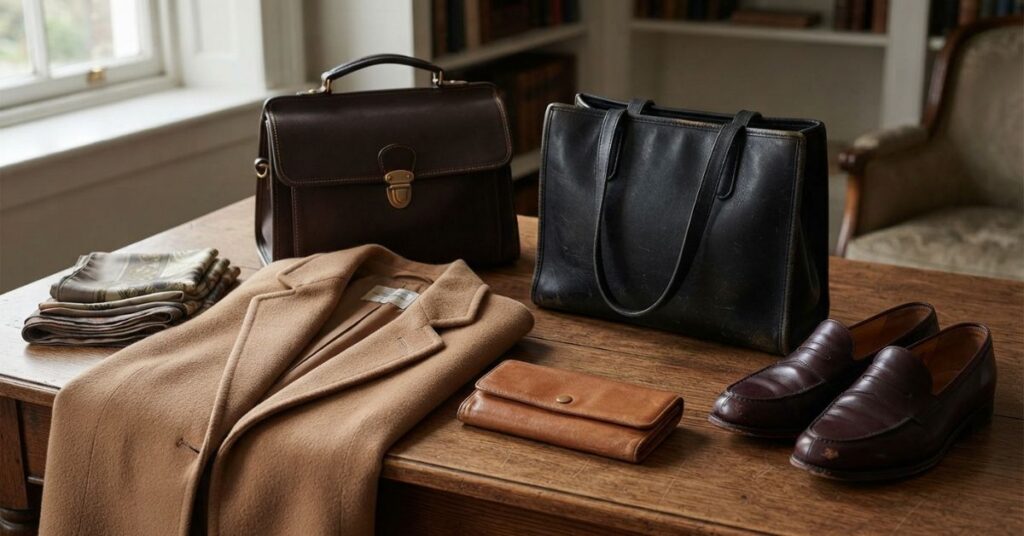
Which Clothing Items to Keep
Keep the things that feel like them, not everything that’s still in good shape. One favorite cardigan or an old work jacket can mean more than a whole rack.
Some families have shirts or ties made into a quilt or a pillow for each grandkid. Ask around the family before anything leaves the house.
Which Clothes, Furs, and Handbags Have Resale Value
Designer handbags, fine jewelry, good watches, and some well-kept designer clothes are the closet items most likely to sell for real money. Everyday clothes, even clean and barely worn, usually don’t bring much.
Handbags are the easiest call. Condition matters most, and the original dust bag, box, or receipt helps a lot.
Furs are tougher. The resale market for fur coats can be soft, so find out what a coat might bring before you pay to store it.
What to Check Before Clothing Leaves the House
Check every pocket, purse, and shoebox before anything goes in a bag. Cash, rings, keys, receipts, and little notes turn up in coats and handbags all the time.
Look at the labels and linings, too. A designer tag, a furrier’s name stitched inside a coat, or a monogram tells you which pieces need a second look.
Put those pieces in one spot. When iStuffSellers handles the house, Darren Hahnfeld goes through the closets before anything is bagged up, so a good coat or handbag doesn’t end up at the thrift store by mistake.

Donating a Loved One's Clothing
Clean, wearable clothes are the easy part, since lots of local charities, shelters, and thrift stores take them. Call first, because some groups will pick up a big donation right from the house.
Keep a simple list of what you give away. The estate or the family may be able to use it for a tax deduction.
Some animal and wildlife rescue groups take old fur for bedding. Some furriers can also remake a coat into something smaller, like a vest or a pillow, which is a nice option when a fur won’t sell.
Frequently Asked Questions
No, there’s no right timeline, and some people find it a relief to move fast. Others need months, and keeping a few pieces can make letting go of the rest easier.
A furrier’s label sewn into the lining is usually the first clue. A furrier can confirm it and tell you whether the coat is worth trying to sell.
Recycle them, since most charities can’t use stained or torn clothing. Lots of areas have textile recycling drop-off bins for exactly that.
A standard appraisal procedure includes engagement and scope definition, property inspection, market research, comparable analysis, valuation reconciliation, and final report delivery. In estate cases, the estate appraiser may also confirm the effective date of value and address legal requirements.
Each stage builds on the previous one to ensure the final value opinion is well-supported and defensible.
Get Help Sorting a Loved One's Closet
A closet is easier to face with a plan. It also helps to have someone there who’s done this with other families.
iStuffSellers has helped families settle estates since 2011, and our estate liquidation company sorts the closet right along with the rest of the house. Call 301-401-6688 and we’ll help you pick out the pieces worth selling before the rest goes to family or donation.