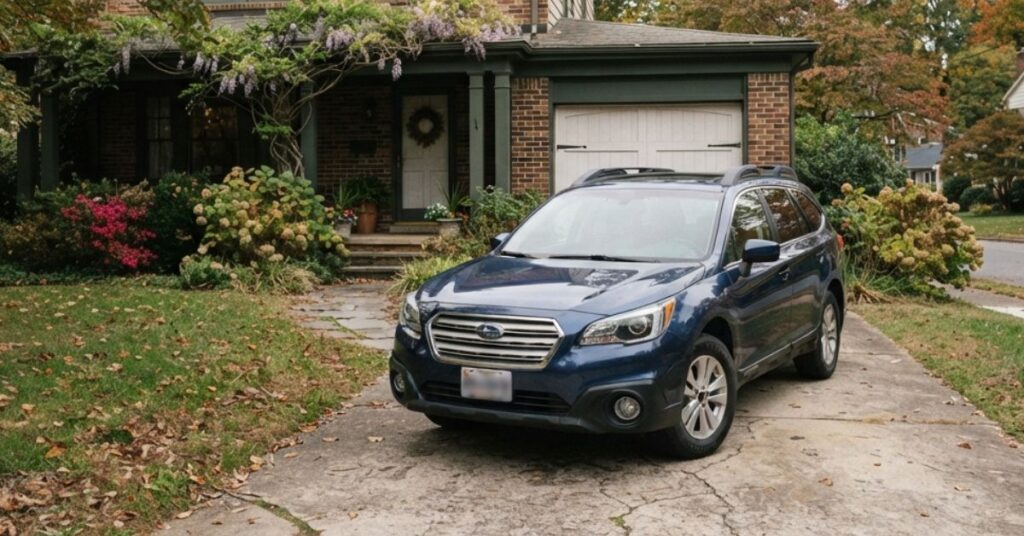

When someone dies, their car becomes part of the estate, and only a person with legal authority can sign the title over to a buyer. So before you can sell a deceased person’s car, you need to know who that person is and which papers prove it.
Maryland, Virginia, and DC each handle this their own way. Sort out the paperwork before a buyer ever looks at the car.
Who Can Sell a Deceased Person's Car?
That depends on how the title is written and whether an estate has been opened. A surviving co-owner can sometimes retitle the car alone, but if it was titled only to the person who died, you’ll usually need the personal representative, also called the executor or administrator.
Start with the names on the front of the title. In Virginia, owners joined by “or,” or followed by “or survivor,” have a right of survivorship, and “and” generally doesn’t give one.
Having the keys doesn’t give anyone the right to sign. A power of attorney doesn’t either, because it ended when the owner died.
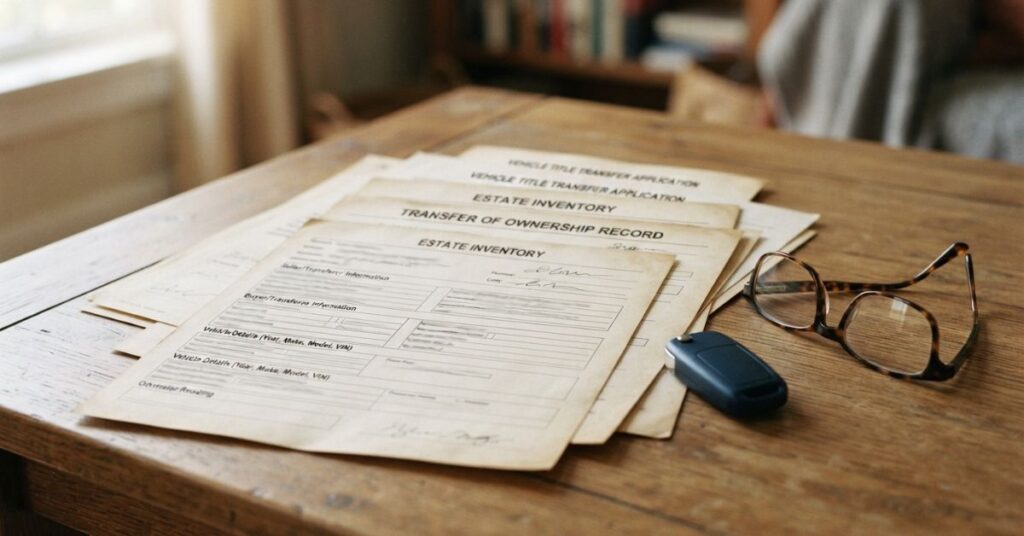
Selling an Estate Vehicle in Maryland
In Maryland, the personal representative signs the assignment of ownership on the title and writes in the buyer’s name, address, and price. The Maryland MVA wants to see the original letters of administration, or letters testamentary, along with the title.
You get those letters from the Register of Wills in the county where the person lived. The MVA only takes originals with the Register’s raised seal, so copies won’t work.
When the personal representative sells, the MVA says the buyer needs new tags and a Maryland safety inspection. A surviving spouse who’s the only heir may be able to use Form VR-481 instead, as long as no estate has been opened and the person owned no more than two vehicles.
Selling an Estate Vehicle in Virginia
In Virginia, an appointed executor or administrator handles the transfer. If nobody’s been appointed, the Virginia DMV lets the person inheriting the car transfer it with a certified or notarized death certificate, the title, proof of address, and one of three documents.
- A copy of the will plus a completed VSA 24 (Authority to Transfer Virginia Title Certification)
- A completed VSA 24 on its own, if there’s no will
- A small estate affidavit, which the DMV says currently covers estates worth under $50,000
Once the car is in the heir’s name, they can sell it like any other used car. If the title is lost or damaged, they’ll need a VSA 67 first.
Selling an Estate Vehicle in the District of Columbia
In DC, the personal representative or executor has to sign the title over. The DC DMV also wants an authenticated copy of the letters testamentary or administration, and the probate case has to still be open.
A small estate order that lists the car can take the place of those letters, and so can the trust agreement if the car was in a trust. Bring the original death certificate and a DC title application too.
A surviving joint owner can get a new title with the old one and an authenticated death certificate. For court paperwork, the Probate Division of DC Superior Court is the place to ask.

Steps to Take Before Selling an Estate Car
Get the paperwork lined up before you list the car or call anyone about it. These steps head off most of the snags.
- Find the title, or order a replacement if it’s gone.
- Check for a car loan, and get a lien release or the lender’s OK.
- Keep the insurance going until the car is sold or retitled.
- Find out whether the plates go back or can move to a family member in your state.
- Round up service records, spare keys, and the owner’s manual.
An older or collectible car takes a little more homework, since its value comes down to condition, history, and who collects that model. And before anyone cleans it out, go through the glovebox and trunk for papers and spare keys.
How iStuffSellers Helps Families Sell a Loved One's Car
We can sell the car along with everything else in the estate, so you’re not juggling a dealer, a private buyer, and an estate liquidation company all at once. Our sell your car service handles evaluating the car, marketing it, detailing and staging it, and negotiating with buyers.
Collector cars get extra attention. Our vintage car sales team markets older models to collectors and enthusiasts through our network in Maryland, Virginia, and DC.
Frequently Asked Questions
Only if it stays insured and registered and the personal representative is fine with it. Call the insurance company first, because the policy was in the owner’s name.
No. A power of attorney ends at death, and the authority moves to the personal representative or whoever the MVA or DMV rules allow.
Get a replacement before you sell, because the buyer needs a title to register the car. In Virginia that’s a VSA 67, and it’s usually filed by whoever has authority to transfer the car.
Usually not. Maryland’s MVA says there’s no excise tax on a transfer to a surviving spouse or legal heir, and Virginia’s DMV says an heir who takes the car this way won’t owe sales and use tax.
Sell a Loved One's Car With iStuffSellers
Once the paperwork’s done, the car is just one more piece of settling the estate. You don’t have to sort it out alone.
Families in Maryland, Northern Virginia, and Washington, DC can call iStuffSellers at 301-401-6688. We’ll look at the car and the rest of the estate, and tell you how we’d handle it.